
Joseph Haydn
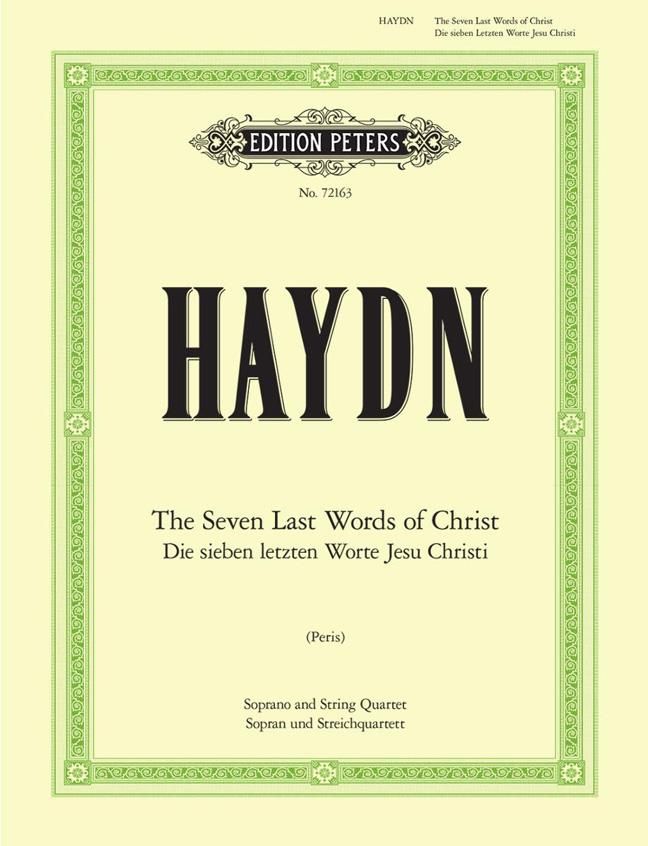
The Seven Last Words of Christ
arranged for Voice and String Quartet
Joseph Haydn
The Seven Last Words of Christ
arranged for Voice and String Quartet
- Formation Quatuor à cordes
- Compositeur Joseph Haydn
- Éditeur José Peris Lacasa
- Édition Conducteur et parties
- Maison d’Édition Edition Peters
- N ° de commande EP72163
 disponible
sera expédié dans 1-2 jours ouvrables
TVA incluse,
Hors frais de port
Non disponible dans tous les pays. Apprendre encore plus

Description:
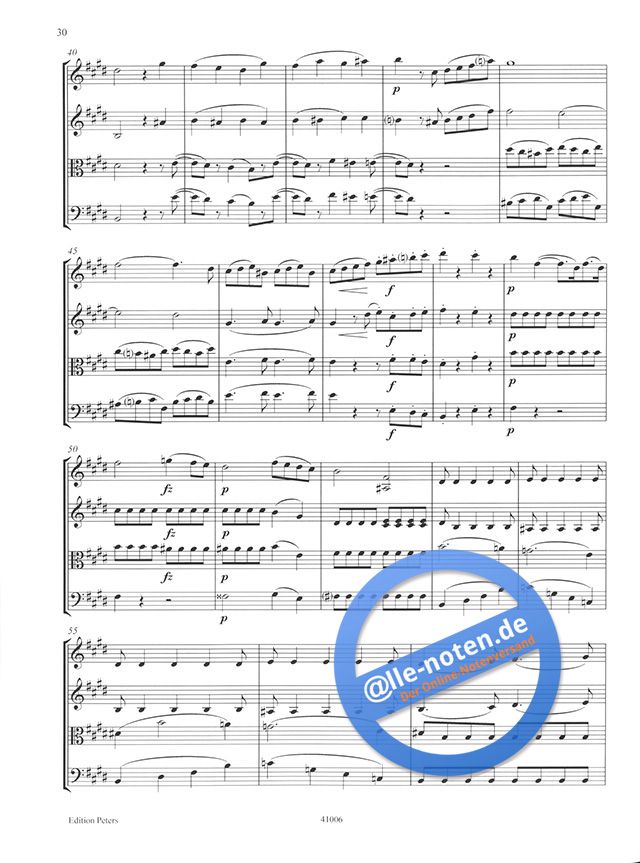
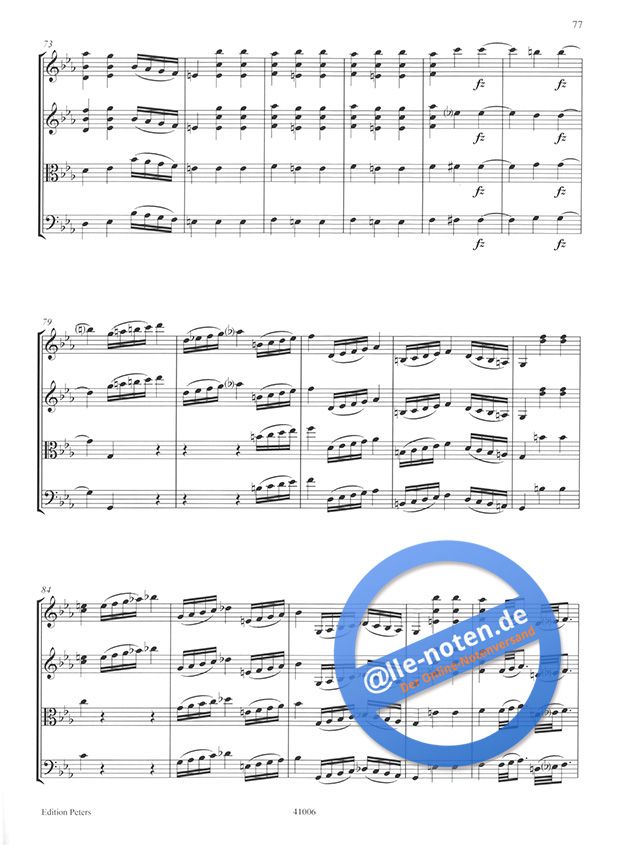
This new version of perhaps Haydn's most spiritual work has received many high-profile performances, notably for the name day celebrations of Pope Benedict XVI at the Vatican in March 2010 by the Henschel Quartet and the Mezzo-Soprano Susanne Kelling.
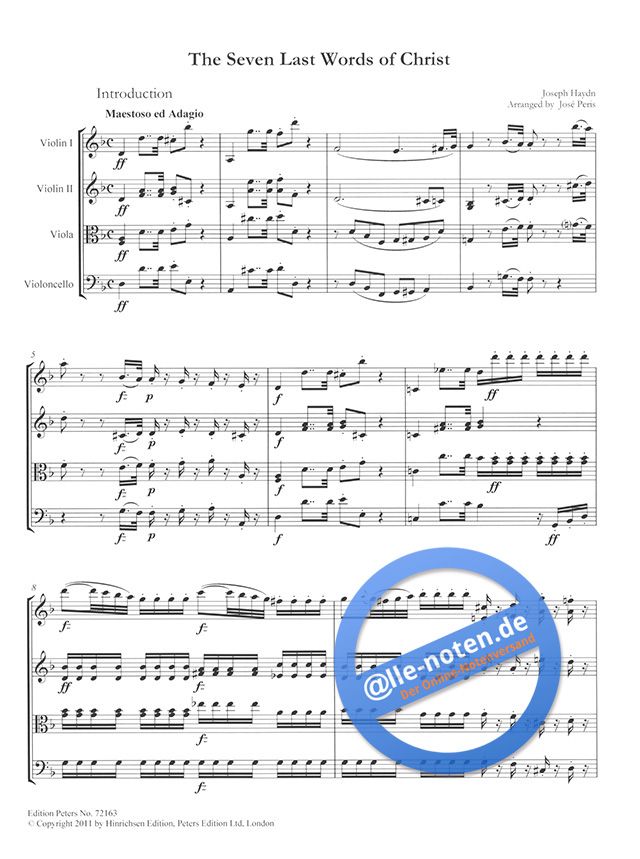
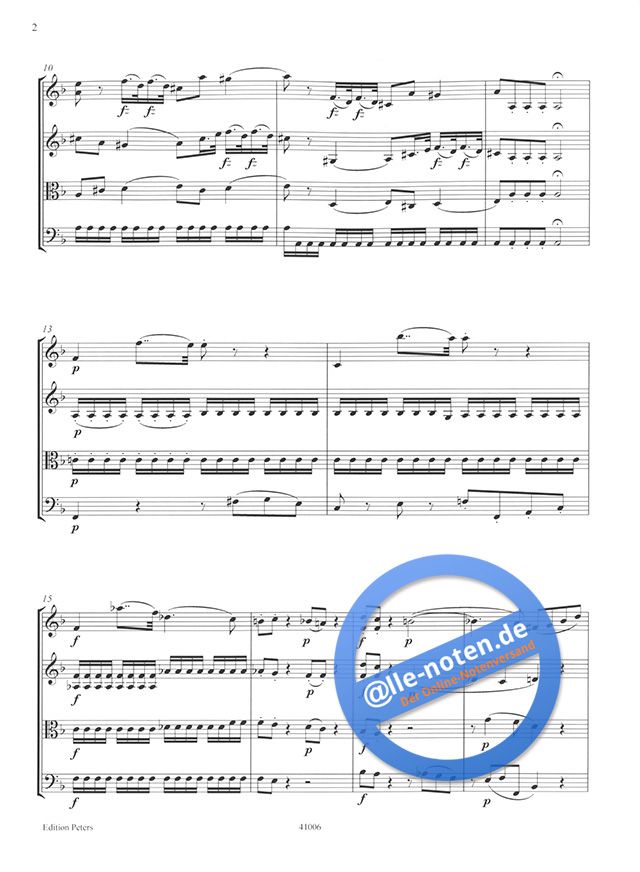
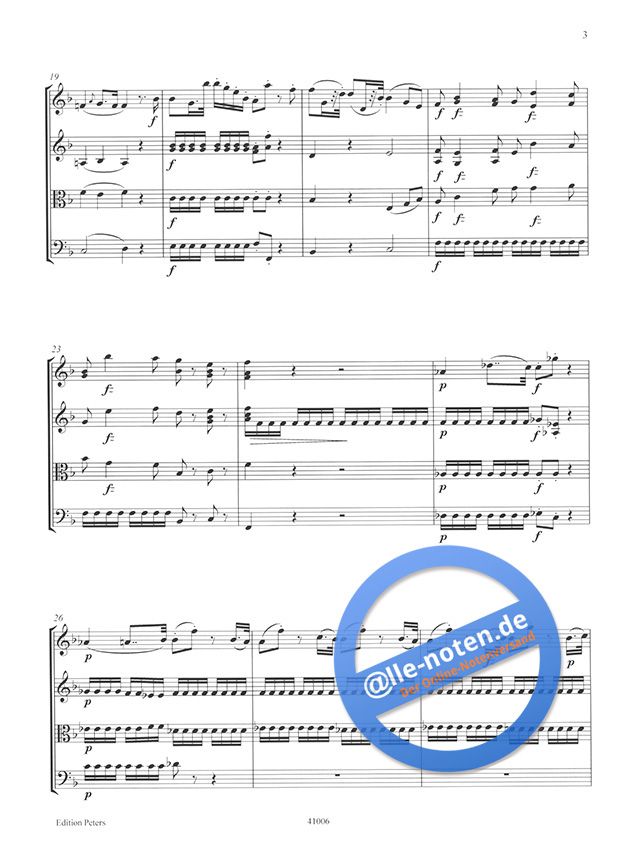
Haydn was commissioned to write the work in 1787 by two enlightened priest based in Cadiz, Spain for a religious gathering to meditate on the death of Christ at a local oratory (Santa Cueva). The resulting work consists of an introduction followed by seven short sonatas for string quartet concluding with a movement imitating the earthquake that according to the Gospels followed Christ's death. Originally each of the sonatas was performed after a short commentary on each of Jesus' words or phrases by a priest.From the introduction to the last movement Haydn adopts rhythm as an essential element of his compositional technique, which becomes its leading motive, providing dramatic cohesion and continuity to the musical discourse. The final eight bars illustrate this well, symbolising the suspense between life and death. As Professor Peris comments: 'We should see in Haydn's Seven Last Words an innermost spiritual experience that reaches the most profound levels of the human condition.'
Peris' highly successful arrangement of the work includes the participation of a Mezzo-Soprano soloist to whom he assigns a leading rolo: the voice takes on the melody of the first violin whenever the textual sentence corresponds to the musical phrase, singing Jesus' words as an overlay to the string writing.
Haydn was commissioned to write the work in 1787 by two enlightened priest based in Cadiz, Spain for a religious gathering to meditate on the death of Christ at a local oratory (Santa Cueva). The resulting work consists of an introduction followed by seven short sonatas for string quartet concluding with a movement imitating the earthquake that according to the Gospels followed Christ's death. Originally each of the sonatas was performed after a short commentary on each of Jesus' words or phrases by a priest.From the introduction to the last movement Haydn adopts rhythm as an essential element of his compositional technique, which becomes its leading motive, providing dramatic cohesion and continuity to the musical discourse. The final eight bars illustrate this well, symbolising the suspense between life and death. As Professor Peris comments: 'We should see in Haydn's Seven Last Words an innermost spiritual experience that reaches the most profound levels of the human condition.'
Peris' highly successful arrangement of the work includes the participation of a Mezzo-Soprano soloist to whom he assigns a leading rolo: the voice takes on the melody of the first violin whenever the textual sentence corresponds to the musical phrase, singing Jesus' words as an overlay to the string writing.
Les clients ont évalué ce produit:
Informations du Fabricant:
Faber Peters Music Distribution
Talstr. 10
04103
Leipzig
Deutschland
D'autres clients ont également acheté:
Joseph Haydn
- Quatuor à cordes (2 Violons, Alto et Violoncelle)
- Conducteur et parties (Urtext)
-
disponible
sera expédié dans 1-2 jours ouvrables
- Quatuor à cordes (2 Violons, Alto et Violoncelle)
- Set de parties (Urtext)
-
disponible
sera expédié dans 1-2 jours ouvrables
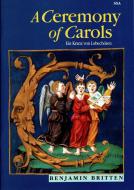

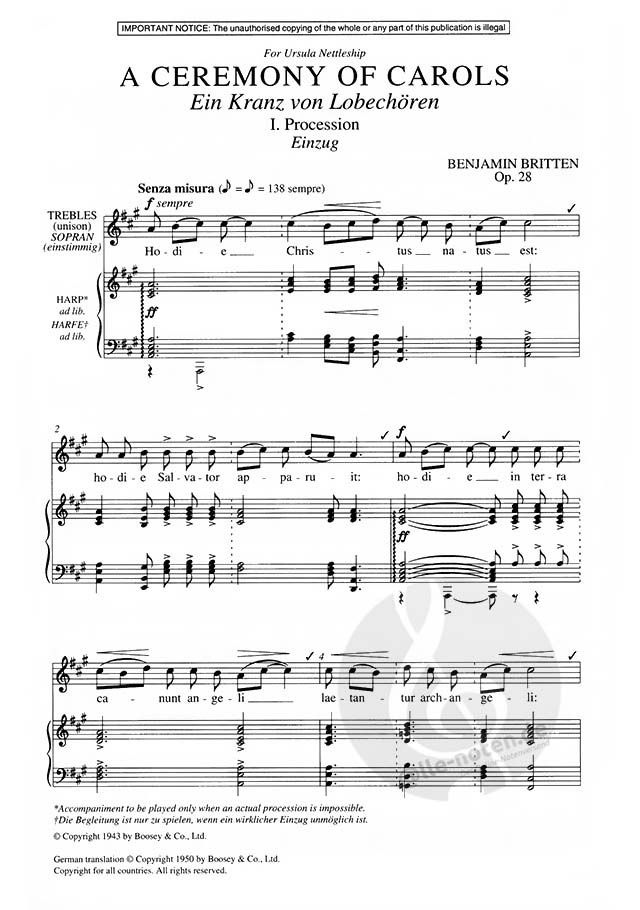
Benjamin Britten
Ein Kranz von Lobechören - Kinderchor (Frauenchor) (SSA) und Harfe (Klavier)
- Choeur de femmes (SSA) et Piano
- Réduction piano
-
disponible
sera expédié dans 1-2 jours ouvrables