
Wolfgang Amadeus Mozart
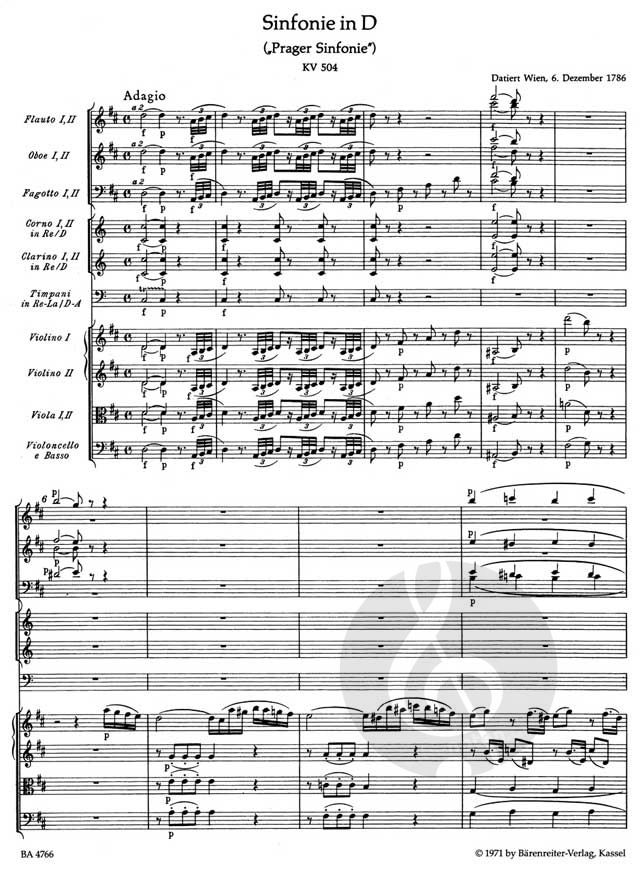

Wolfgang Amadeus Mozart's Symphony No. 38 in D major, K. 504, famously known as the "Prague Symphony", is universally regarded as one of the crowning achievements of Viennese Classicism. Enthusiastica...
Wolfgang Amadeus Mozart's Symphony No. 38 in D major, K. 504, famously known as the "Prague Symphony", is universally regarded as one of the crowning achievements of Viennese Classicism. Enthusiastica...
- Orchestre
- Partition (Urtext) à télécharger
- Bärenreiter Verlag
-
 disponible immédiatement
Télécharger immédiatement après la commande - Téléchargement instantané
disponible immédiatement
| Télécharger immédiatement après la commande
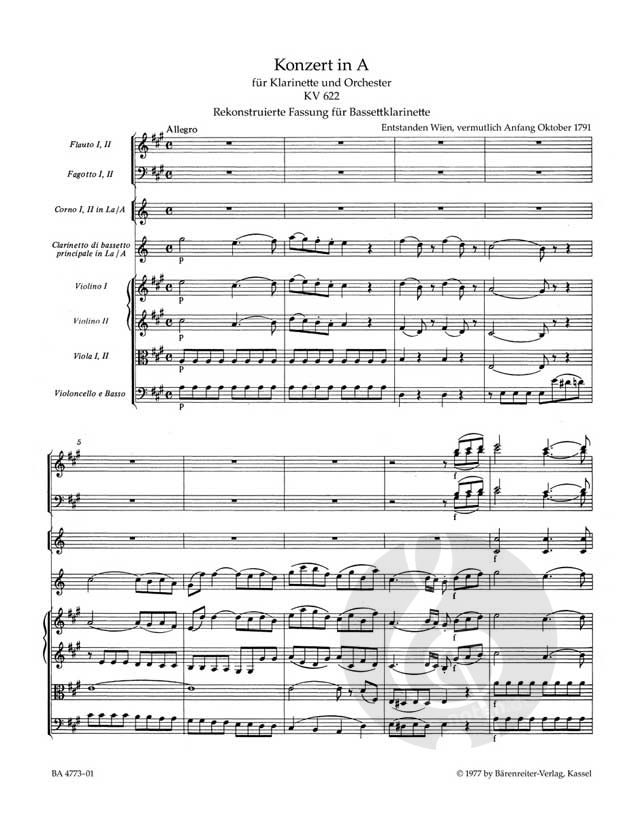
Konzert für Klarinette (Bassettklarinette) und Orchester. Fassung für Bassettklarinette. Urtext der Neuen Mozart-Ausgabe. KlarSolo, Flöte (2), Fagott (2), Horn (2), Streicher - Partitur; Urtextausgabe
Konzert für Klarinette (Bassettklarinette) und Orchester. Fassung für Bassettklarinette. Urtext der Neuen Mozart-Ausgabe. KlarSolo, Flöte (2), Fagott (2), Horn (2), Streicher - Partitur; Urtextausgabe
- Clarinette et Orchestre
- Partition (Urtext)
- Bärenreiter Verlag
-
sera expédié dans 2-4 jours ouvrables
- Aussi disponible en téléchargement !
sera expédié dans 2-4 jours ouvrables
Konzert für Klarinette (Bassettklarinette) und Orchester. Fassung für Bassettklarinette. Urtext der Neuen Mozart-Ausgabe. KlarSolo, Flöte (2), Fagott (2), Horn (2), Streicher - Partitur; Urtextausgabe
Konzert für Klarinette (Bassettklarinette) und Orchester. Fassung für Bassettklarinette. Urtext der Neuen Mozart-Ausgabe. KlarSolo, Flöte (2), Fagott (2), Horn (2), Streicher - Partitur; Urtextausgabe
- Clarinette et Orchestre
- Partition (Urtext) à télécharger
- Bärenreiter Verlag
-
disponible immédiatement
Télécharger immédiatement après la commande - Téléchargement instantané
disponible immédiatement
| Télécharger immédiatement après la commande
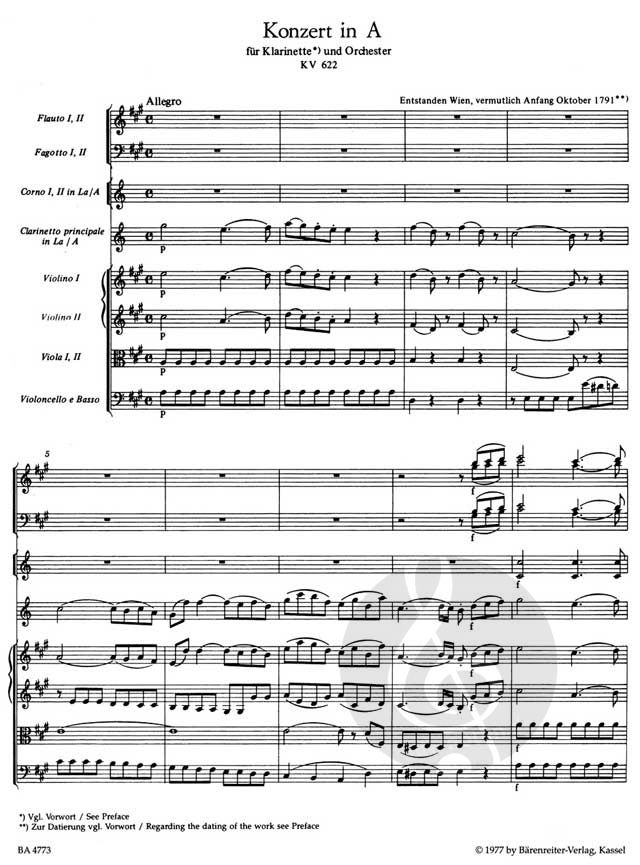
Konzert für Klarinette (Bassettklarinette) und Orchester. Fassung für Klarinette. Urtext der Neuen Mozart-Ausgabe. Klarinette Solo, Flöte (2), Fagott (2), Horn (2), Streicher - Partitur; Urtextausgabe
Konzert für Klarinette (Bassettklarinette) und Orchester. Fassung für Klarinette. Urtext der Neuen Mozart-Ausgabe. Klarinette Solo, Flöte (2), Fagott (2), Horn (2), Streicher - Partitur; Urtextausgabe
- Clarinette et Orchestre
- Partition (Urtext) à télécharger
- Bärenreiter Verlag
-
disponible immédiatement
Télécharger immédiatement après la commande - Téléchargement instantané
disponible immédiatement
| Télécharger immédiatement après la commande
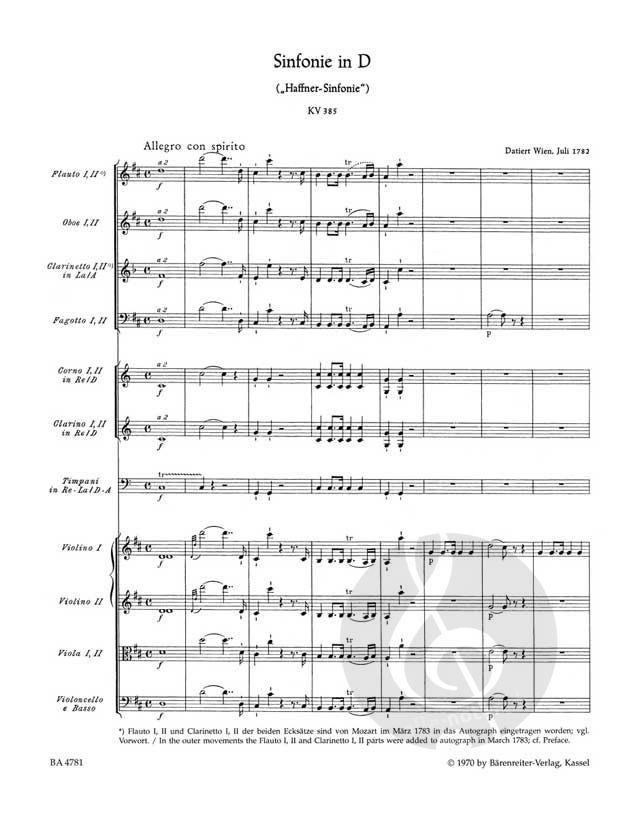
Texte original de la Nouvelle Edition Mozart. Flûte (2), hautbois (2), clarinette en si bémol (2), basson (2), cor (2), trompette (2), timbales, cordes - Partition ; Urtextausgabe
Texte original de la Nouvelle Edition Mozart. Flûte (2), hautbois (2), clarinette en si bémol (2), basson (2), cor (2), trompette (2), timbales, cordes - Partition ; Urtextausgabe
- Orchestre
- Partition (Urtext) à télécharger
- Bärenreiter Verlag
-
disponible immédiatement
Télécharger immédiatement après la commande - Téléchargement instantané
disponible immédiatement
| Télécharger immédiatement après la commande
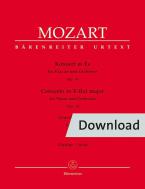
Wolfgang Amadeus Mozart's Piano Concerto No. 9 in E-flat major, K. 271, famously known as the "Jeunehomme" Concerto, stands as a monumental milestone in classical concerto repertoire. Bursting with dr...
Wolfgang Amadeus Mozart's Piano Concerto No. 9 in E-flat major, K. 271, famously known as the "Jeunehomme" Concerto, stands as a monumental milestone in classical concerto repertoire. Bursting with dr...
- Piano et Orchestre
- Partition (Urtext) à télécharger
- Bärenreiter Verlag
-
disponible immédiatement
Télécharger immédiatement après la commande - Téléchargement instantané
disponible immédiatement
| Télécharger immédiatement après la commande

Urtext der Neuen Mozart-Ausgabe Oboe (2), Horn (2), Streicher, Basso continuo - Partitur; Urtextausgabe
Urtext der Neuen Mozart-Ausgabe Oboe (2), Horn (2), Streicher, Basso continuo - Partitur; Urtextausgabe
- Orchestre
- Partition (Urtext)
- Bärenreiter Verlag
-
sera expédié dans 2-4 jours ouvrables
- Aussi disponible en téléchargement !
sera expédié dans 2-4 jours ouvrables
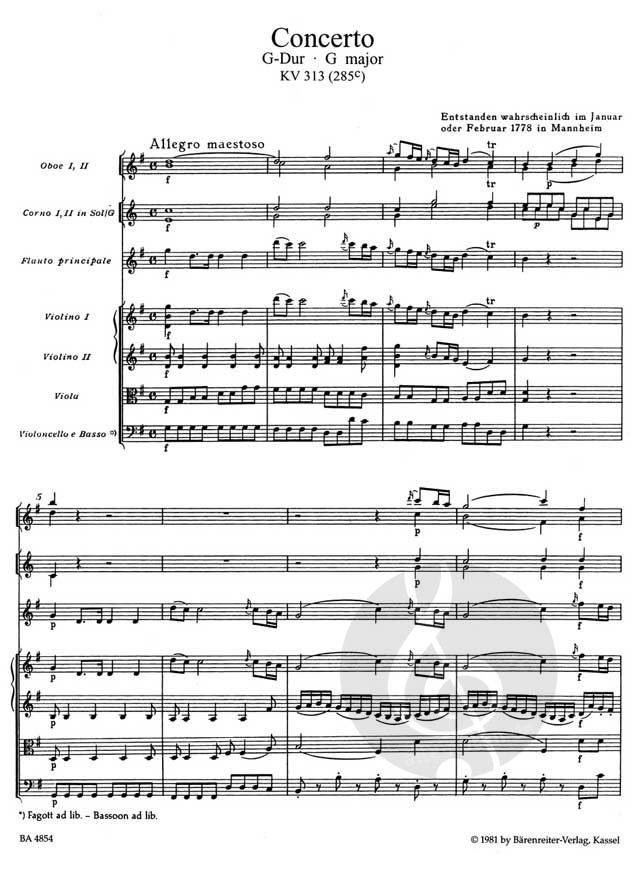
Wolfgang Amadeus Mozart's Concerto in G major, K. 313 (285c) for Flute and Orchestra is one of the most radiant masterpieces in the classical wind repertoire. With its effortless elegance, sparkling v...
Wolfgang Amadeus Mozart's Concerto in G major, K. 313 (285c) for Flute and Orchestra is one of the most radiant masterpieces in the classical wind repertoire. With its effortless elegance, sparkling v...
- Flûte traversière et Orchestre
- Partition (Urtext) à télécharger
- Bärenreiter Verlag
-
disponible immédiatement
Télécharger immédiatement après la commande - Téléchargement instantané
disponible immédiatement
| Télécharger immédiatement après la commande
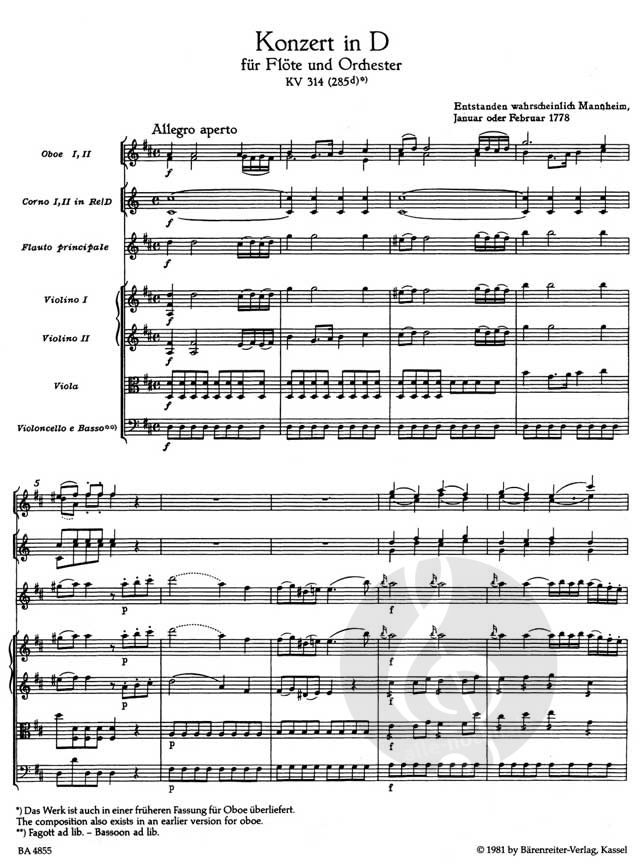
Wolfgang Amadeus Mozart's Concerto in D major K. 314 (285d) for Flute and Orchestra is undoubtedly one of the most radiant and beloved masterpieces in the classical flute repertoire. With its playful...
Wolfgang Amadeus Mozart's Concerto in D major K. 314 (285d) for Flute and Orchestra is undoubtedly one of the most radiant and beloved masterpieces in the classical flute repertoire. With its playful...
- Flûte traversière et Orchestre
- Partition (Urtext)
- Bärenreiter Verlag
-
sera expédié dans 2-4 jours ouvrables
- Aussi disponible en téléchargement !
sera expédié dans 2-4 jours ouvrables
Wolfgang Amadeus Mozart's Concerto in D major K. 314 (285d) for Flute and Orchestra is undoubtedly one of the most radiant and beloved masterpieces in the classical flute repertoire. With its playful...
Wolfgang Amadeus Mozart's Concerto in D major K. 314 (285d) for Flute and Orchestra is undoubtedly one of the most radiant and beloved masterpieces in the classical flute repertoire. With its playful...
- Flûte traversière et Orchestre
- Partition (Urtext) à télécharger
- Bärenreiter Verlag
-
disponible immédiatement
Télécharger immédiatement après la commande - Téléchargement instantané
disponible immédiatement
| Télécharger immédiatement après la commande
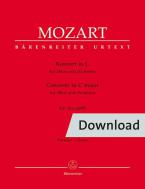
Wolfgang Amadeus Mozart’s Oboe Concerto in C major K. 314 (285d) is one of the most radiant and beloved masterworks in the woodwind repertoire. Full of classical elegance, infectious vitality, and inc...
Wolfgang Amadeus Mozart’s Oboe Concerto in C major K. 314 (285d) is one of the most radiant and beloved masterworks in the woodwind repertoire. Full of classical elegance, infectious vitality, and inc...
- Hautbois et Orchestre
- Partition (Urtext) à télécharger
- Bärenreiter Verlag
-
disponible immédiatement
Télécharger immédiatement après la commande - Téléchargement instantané
disponible immédiatement
| Télécharger immédiatement après la commande
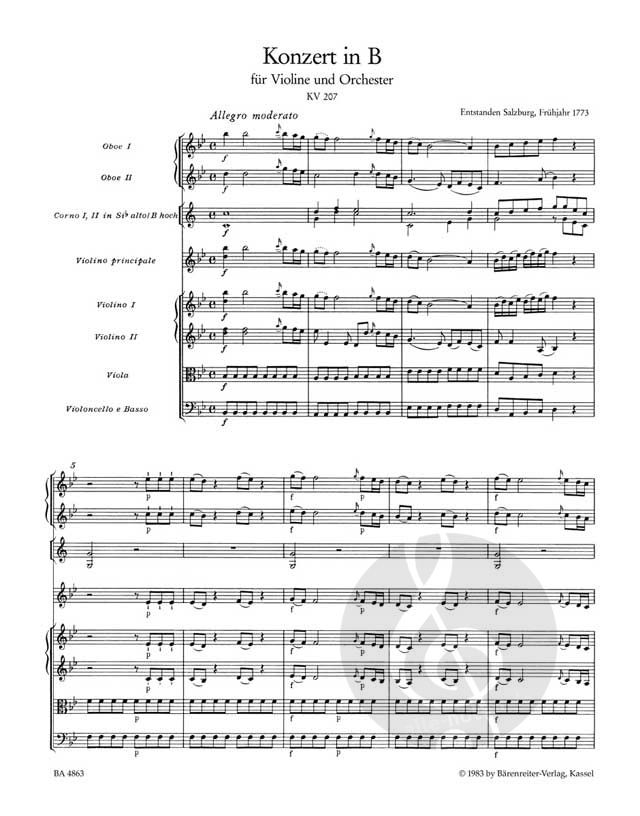
Les œuvres dans lesquelles Mozart a utilisé des instruments à cordes comme solistes ont été principalement composées entre 1773 et 1779. Les années 1773 et 1775 revêtent toutefois une importance parti...
Les œuvres dans lesquelles Mozart a utilisé des instruments à cordes comme solistes ont été principalement composées entre 1773 et 1779. Les années 1773 et 1775 revêtent toutefois une importance parti...
- Violon et Orchestre
- Partition (Urtext) à télécharger
- Bärenreiter Verlag
-
disponible immédiatement
Télécharger immédiatement après la commande - Téléchargement instantané
disponible immédiatement
| Télécharger immédiatement après la commande
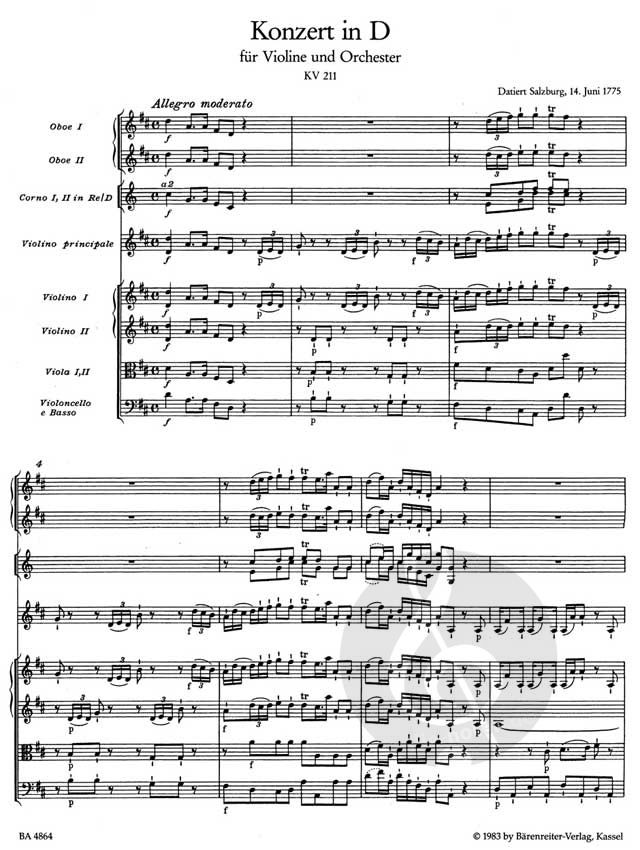
Konzert für Violine und Orchester. Urtext der Neuen Mozart-Ausgabe. Violine Solo, Oboe (2), Horn (2), Streicher - Partitur; Urtextausgabe
Konzert für Violine und Orchester. Urtext der Neuen Mozart-Ausgabe. Violine Solo, Oboe (2), Horn (2), Streicher - Partitur; Urtextausgabe
- Violon et Orchestre
- Partition (Urtext)
- Bärenreiter Verlag
-
sera expédié dans 2-4 jours ouvrables
- Aussi disponible en téléchargement !
sera expédié dans 2-4 jours ouvrables
Les œuvres dans lesquelles Mozart a utilisé des instruments à cordes comme solistes ont été principalement composées entre 1773 et 1779. Les années 1773 et 1775 revêtent toutefois une importance parti...
Les œuvres dans lesquelles Mozart a utilisé des instruments à cordes comme solistes ont été principalement composées entre 1773 et 1779. Les années 1773 et 1775 revêtent toutefois une importance parti...
- Violon et Orchestre
- Partition (Urtext) à télécharger
- Bärenreiter Verlag
-
disponible immédiatement
Télécharger immédiatement après la commande - Téléchargement instantané
disponible immédiatement
| Télécharger immédiatement après la commande
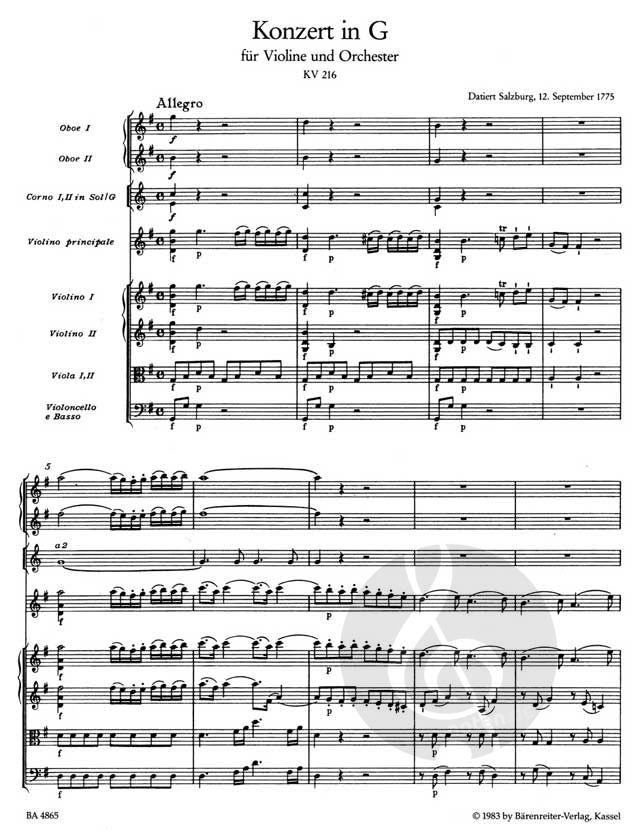
Les œuvres dans lesquelles Mozart a utilisé des instruments à cordes comme solistes ont été principalement composées entre 1773 et 1779. Les années 1773 et 1775 revêtent toutefois une importance parti...
Les œuvres dans lesquelles Mozart a utilisé des instruments à cordes comme solistes ont été principalement composées entre 1773 et 1779. Les années 1773 et 1775 revêtent toutefois une importance parti...
- Violon et Orchestre
- Partition (Urtext) à télécharger
- Bärenreiter Verlag
-
disponible immédiatement
Télécharger immédiatement après la commande - Téléchargement instantané
disponible immédiatement
| Télécharger immédiatement après la commande
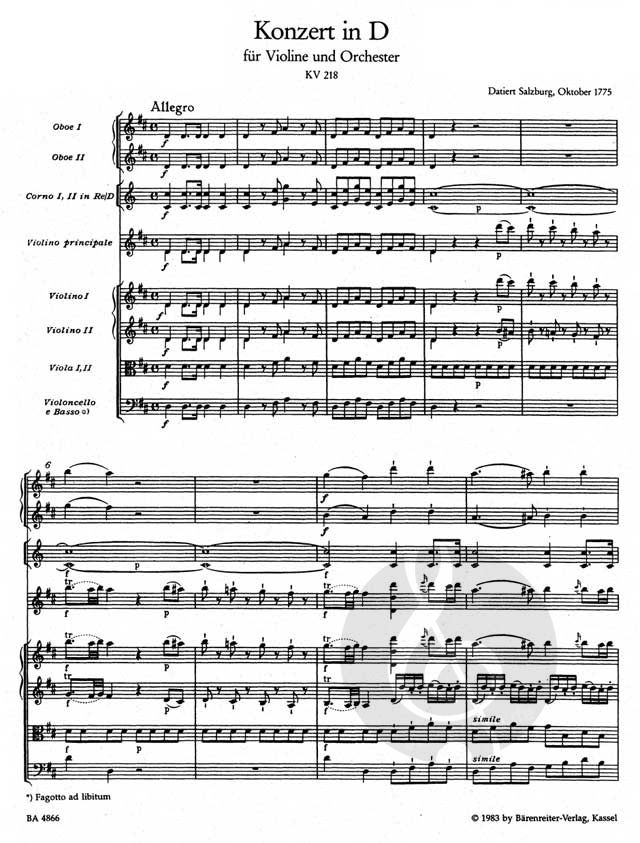
Les œuvres dans lesquelles Mozart a utilisé des instruments à cordes comme solistes ont été principalement composées entre 1773 et 1779. Les années 1773 et 1775 revêtent toutefois une importance parti...
Les œuvres dans lesquelles Mozart a utilisé des instruments à cordes comme solistes ont été principalement composées entre 1773 et 1779. Les années 1773 et 1775 revêtent toutefois une importance parti...
- Violon et Orchestre
- Partition (Urtext) à télécharger
- Bärenreiter Verlag
-
disponible immédiatement
Télécharger immédiatement après la commande - Téléchargement instantané
disponible immédiatement
| Télécharger immédiatement après la commande
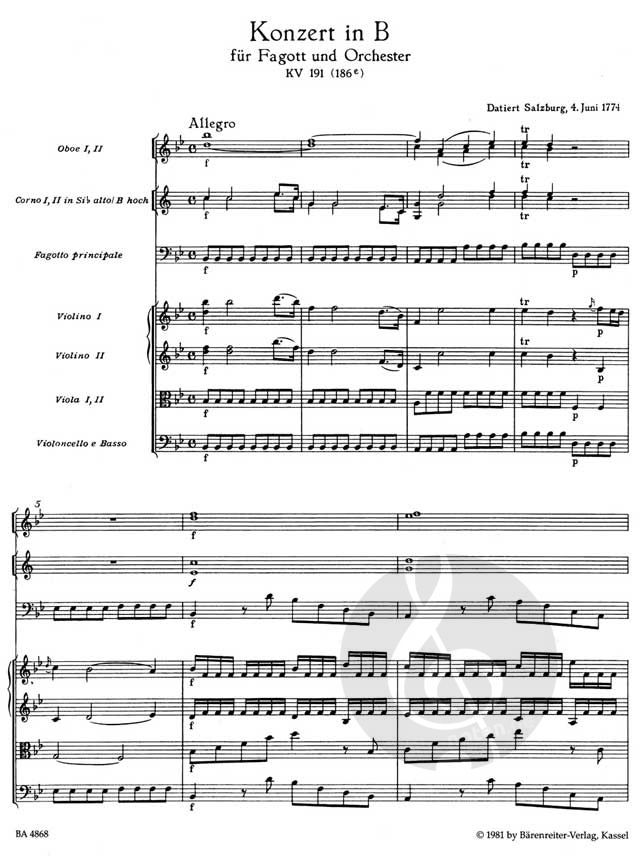
Wolfgang Amadeus Mozart's Concerto in B-flat major, K. 191 (186e) stands as the undisputed centerpiece and radiant pinnacle of the classical bassoon repertoire. Filled with effortless wit, lyrical gra...
Wolfgang Amadeus Mozart's Concerto in B-flat major, K. 191 (186e) stands as the undisputed centerpiece and radiant pinnacle of the classical bassoon repertoire. Filled with effortless wit, lyrical gra...
- Basson et Orchestre
- Partition (Urtext)
- Bärenreiter Verlag
-
sera expédié dans 2-4 jours ouvrables
- Aussi disponible en téléchargement !
sera expédié dans 2-4 jours ouvrables
Wolfgang Amadeus Mozart's Concerto in B-flat major, K. 191 (186e) stands as the undisputed centerpiece and radiant pinnacle of the classical bassoon repertoire. Filled with effortless wit, lyrical gra...
Wolfgang Amadeus Mozart's Concerto in B-flat major, K. 191 (186e) stands as the undisputed centerpiece and radiant pinnacle of the classical bassoon repertoire. Filled with effortless wit, lyrical gra...
- Basson et Orchestre
- Partition (Urtext) à télécharger
- Bärenreiter Verlag
-
disponible immédiatement
Télécharger immédiatement après la commande - Téléchargement instantané
disponible immédiatement
| Télécharger immédiatement après la commande
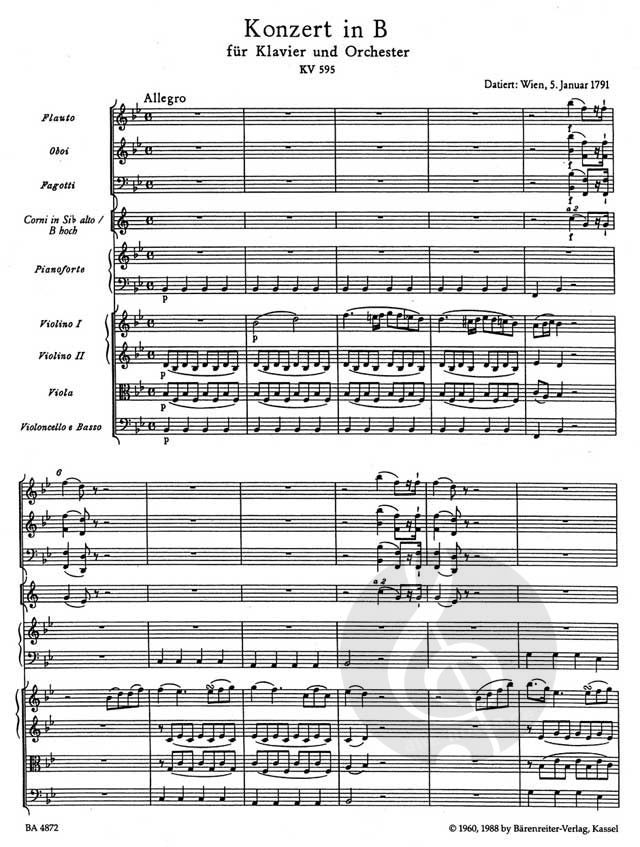
Wolfgang Amadeus Mozart's Piano Concerto No. 27 in B-flat major, K. 595, is a timeless masterpiece filled with touching intimacy, lyrical elegance, and profound poetry. As Mozart's final completed pia...
Wolfgang Amadeus Mozart's Piano Concerto No. 27 in B-flat major, K. 595, is a timeless masterpiece filled with touching intimacy, lyrical elegance, and profound poetry. As Mozart's final completed pia...
- Piano et Orchestre
- Partition (Urtext)
- Bärenreiter Verlag
-
sera expédié dans 2-4 jours ouvrables
- Aussi disponible en téléchargement !
sera expédié dans 2-4 jours ouvrables
Wolfgang Amadeus Mozart's Piano Concerto No. 27 in B-flat major, K. 595, is a timeless masterpiece filled with touching intimacy, lyrical elegance, and profound poetry. As Mozart's final completed pia...
Wolfgang Amadeus Mozart's Piano Concerto No. 27 in B-flat major, K. 595, is a timeless masterpiece filled with touching intimacy, lyrical elegance, and profound poetry. As Mozart's final completed pia...
- Piano et Orchestre
- Partition (Urtext) à télécharger
- Bärenreiter Verlag
-
disponible immédiatement
Télécharger immédiatement après la commande - Téléchargement instantané
disponible immédiatement
| Télécharger immédiatement après la commande
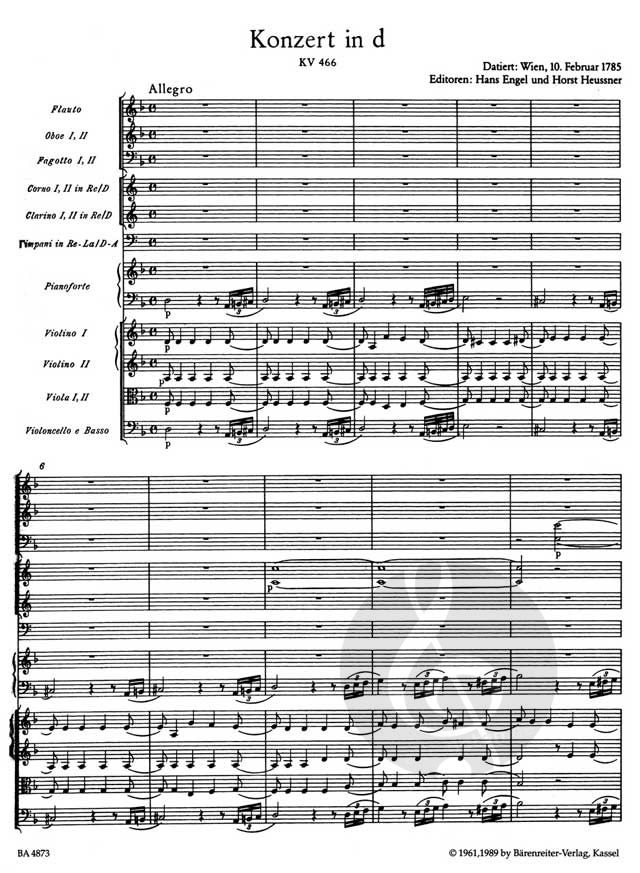
Concerto pour piano et orchestre. Texte original de la Nouvelle Edition Mozart. Piano solo, flûte, hautbois (2), basson (2), cor (2), trompette (2), timbales, cordes - Partition ; Urtextausgabe
Concerto pour piano et orchestre. Texte original de la Nouvelle Edition Mozart. Piano solo, flûte, hautbois (2), basson (2), cor (2), trompette (2), timbales, cordes - Partition ; Urtextausgabe
- Piano et Orchestre
- Partition (Urtext) à télécharger
- Bärenreiter Verlag
-
disponible immédiatement
Télécharger immédiatement après la commande - Téléchargement instantané
disponible immédiatement
| Télécharger immédiatement après la commande
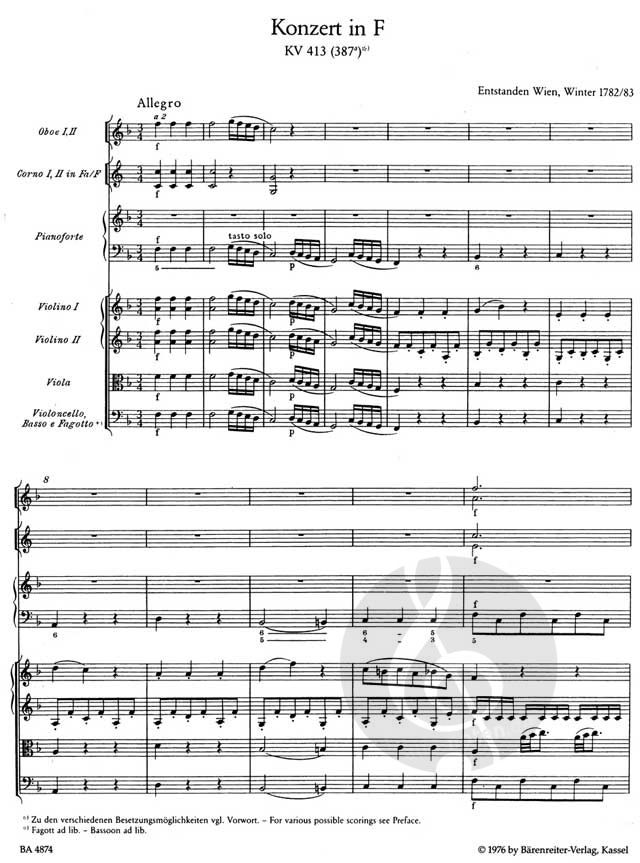
Konzert für Klavier und Orchester. Urtext der Neuen Mozart-Ausgabe - Concerto for Piano and Orchestra. KlavSolo, Flöte, Oboe (2), Horn (2), Streicher - Partitur; Urtextausgabe
Konzert für Klavier und Orchester. Urtext der Neuen Mozart-Ausgabe - Concerto for Piano and Orchestra. KlavSolo, Flöte, Oboe (2), Horn (2), Streicher - Partitur; Urtextausgabe
- Piano et Orchestre
- Partition (Urtext)
- Bärenreiter Verlag
-
sera expédié dans 2-4 jours ouvrables
- Aussi disponible en téléchargement !
sera expédié dans 2-4 jours ouvrables
Konzert für Klavier und Orchester. Urtext der Neuen Mozart-Ausgabe - Concerto for Piano and Orchestra. KlavSolo, Flöte, Oboe (2), Horn (2), Streicher - Partitur; Urtextausgabe
Konzert für Klavier und Orchester. Urtext der Neuen Mozart-Ausgabe - Concerto for Piano and Orchestra. KlavSolo, Flöte, Oboe (2), Horn (2), Streicher - Partitur; Urtextausgabe
- Piano et Orchestre
- Partition (Urtext) à télécharger
- Bärenreiter Verlag
-
disponible immédiatement
Télécharger immédiatement après la commande - Téléchargement instantané
disponible immédiatement
| Télécharger immédiatement après la commande
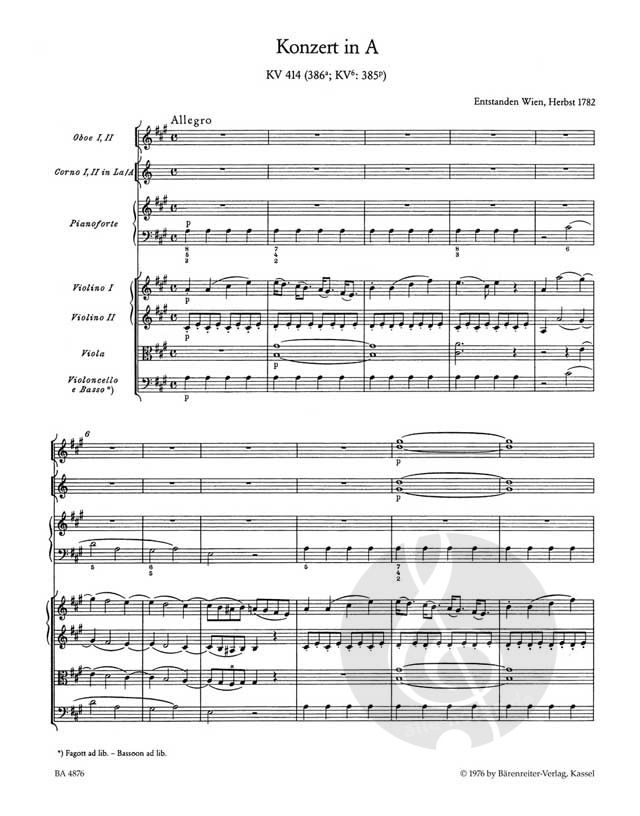
Wolfgang Amadeus Mozart's Piano Concerto No. 12 in A major, K. 414 enchants with its melodic grace, tonal elegance, and delicate intimacy. As the first of Mozart's early Viennese piano concertos, it d...
Wolfgang Amadeus Mozart's Piano Concerto No. 12 in A major, K. 414 enchants with its melodic grace, tonal elegance, and delicate intimacy. As the first of Mozart's early Viennese piano concertos, it d...
- Piano et Orchestre
- Partition (Urtext) à télécharger
- Bärenreiter Verlag
-
disponible immédiatement
Télécharger immédiatement après la commande - Téléchargement instantané
disponible immédiatement
| Télécharger immédiatement après la commande
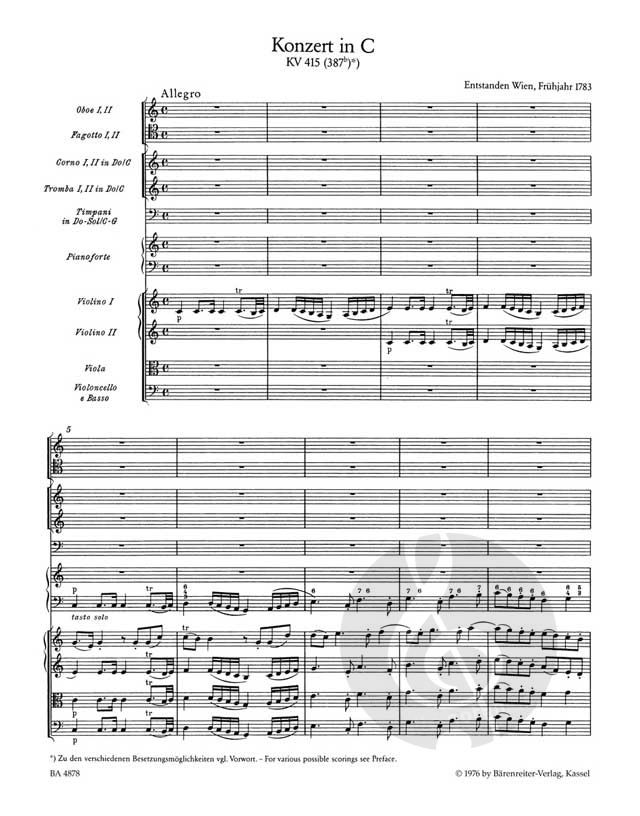
Experience Wolfgang Amadeus Mozart's brilliant Piano Concerto No. 13 in C major, K. 415 (387b) in an exceptional edition published by the renowned Bärenreiter Verlag. This masterwork captivates with i...
Experience Wolfgang Amadeus Mozart's brilliant Piano Concerto No. 13 in C major, K. 415 (387b) in an exceptional edition published by the renowned Bärenreiter Verlag. This masterwork captivates with i...
- Piano et Orchestre
- Partition (Urtext) à télécharger
- Bärenreiter Verlag
-
disponible immédiatement
Télécharger immédiatement après la commande - Téléchargement instantané
disponible immédiatement
| Télécharger immédiatement après la commande